The short answer
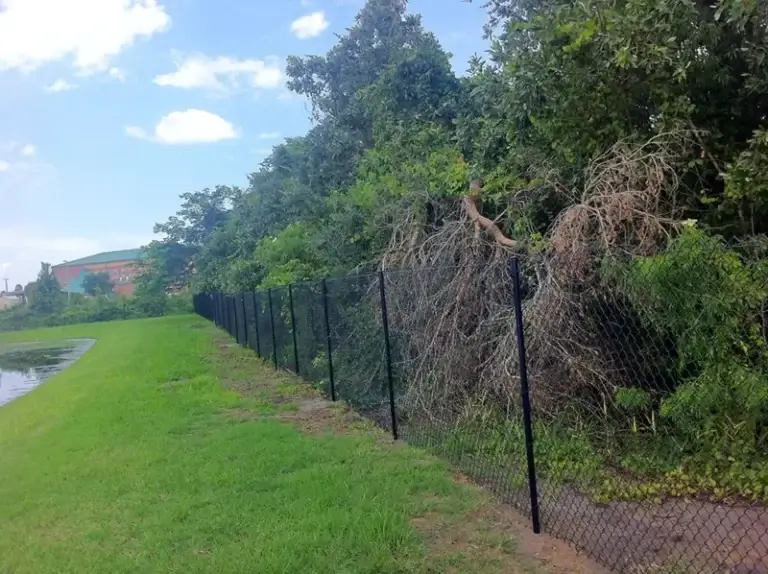
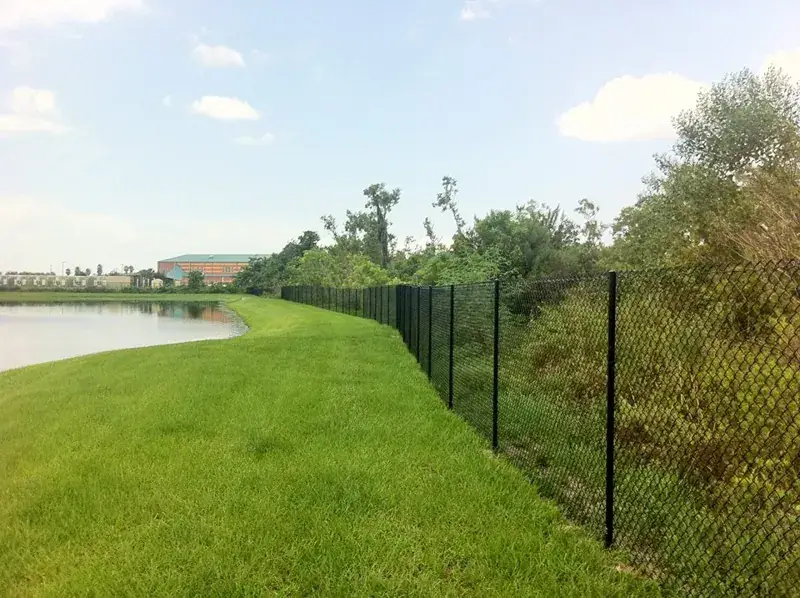
Chain link makes a good security fence when what you need is a clear boundary you can see across: around a back yard, a side yard, a pool equipment area or a lot. It keeps pets and kids in, keeps casual trespassers and stray animals out, and lets you, your neighbors and passing patrols see into the yard.
It won’t stop a determined person, because the mesh can be climbed. And it won’t hide anything, because people can see in as easily as you can see out.
What chain link does well
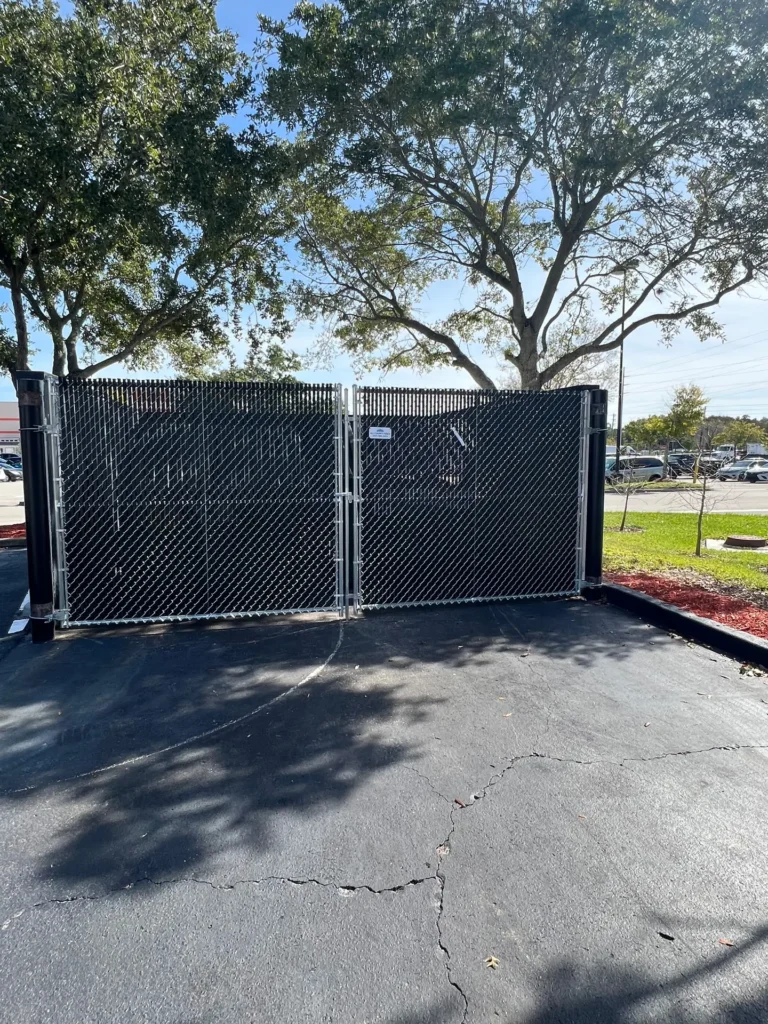
- Visibility. Security designers call it natural surveillance: nobody can hide behind the fence, and anyone inside the yard is in plain view of the street and the neighbors.
- A clear boundary. A fence line makes it obvious where public space ends and your property begins.
- Strength for the money. Woven steel on steel posts is hard to damage, and at about $13 to $19 per foot installed you can afford to fence the whole perimeter, not just part of it.
- It doesn’t block cameras or lights. Security cameras and motion lights see straight through the mesh.
What it doesn’t do
- Stop a climber. The diamond mesh gives a foothold every couple of inches.
- Hide your yard. Tools, bikes and a parked boat are all on display.
- Give you privacy. Slats cut the view but don’t block it like a solid panel.
How to set chain link up for security
Go as tall as you’re allowed
Inside Orlando city limits, the City’s Fence Guide allows up to 6 feet in side and rear yards and 4 feet in the front yard. Other cities, unincorporated Orange County and HOAs set their own limits. Height is cheaper than you’d think: our six-foot galvanized chain link costs less per foot than four-foot black.
Treat the gate as the weak point
A fence is only as secure as its gate. Choose a latch that takes a padlock, and self-closing hinges so the gate doesn’t get left open. Gates are priced separately: about $250 to $280 each in galvanized and $290 to $325 in color.
Close the bottom
Keep the bottom of the mesh tight to the ground along the whole run, following the grade, so nothing can slide under it. Ask your installer how the bottom of the fabric will be secured.
Build it heavy
Heavier wire and closer post spacing cost more and hold up better. Ask for the wire gauge and post spacing in writing. We set every post two feet deep in a full 50 lb bag of concrete mix.
Remove the step stools
Woodpiles, trash cans, AC units and playsets next to the fence make it easy to get over. Keep them a few feet back.
Add light and cameras
Motion lights and cameras pair well with chain link, because the mesh doesn’t block their view.
Driveway gates
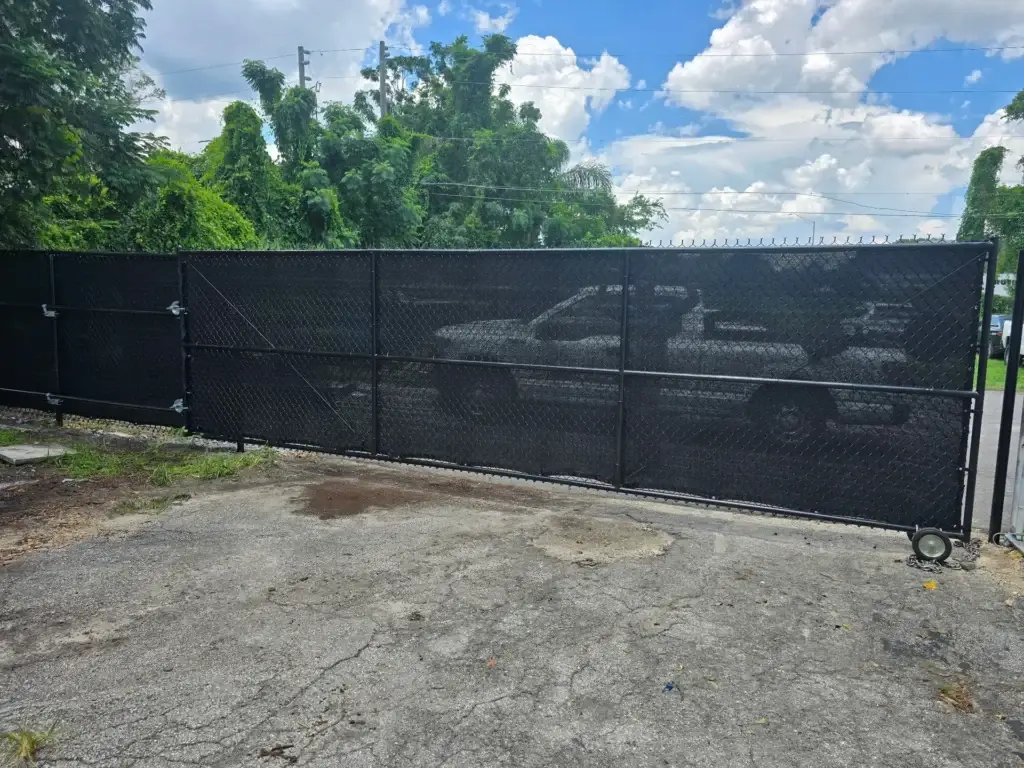
A gate across the driveway closes the biggest gap in a perimeter. Inside Orlando city limits, gates across driveways must be set back at least 20 feet from the property line, and vehicular or powered gates need a permit even when the fence doesn’t. We build driveway gates ready for automation; see our security gate page for how the operator and access control are handled.
Chain link vs. other fences for security
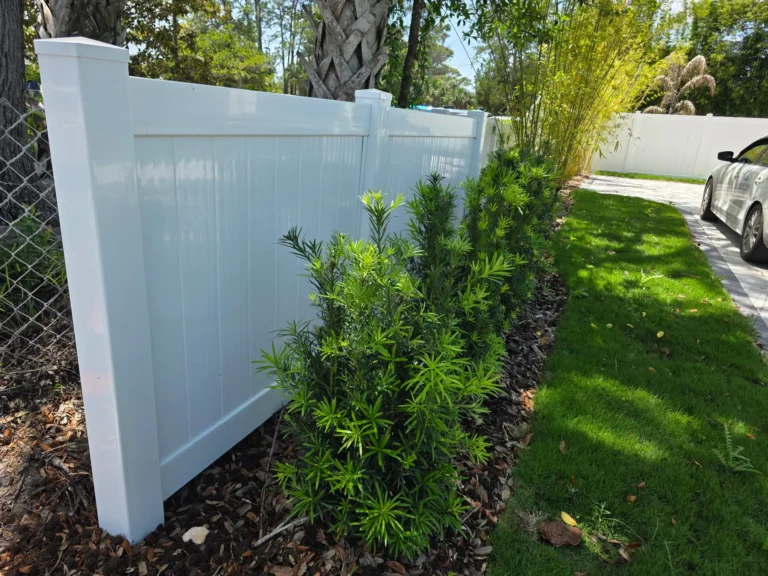
- Wood or vinyl privacy: hides your yard and your belongings, and smooth vinyl offers nothing to climb. The trade-off: you can’t see out either, and it costs more. See wood and vinyl fences.
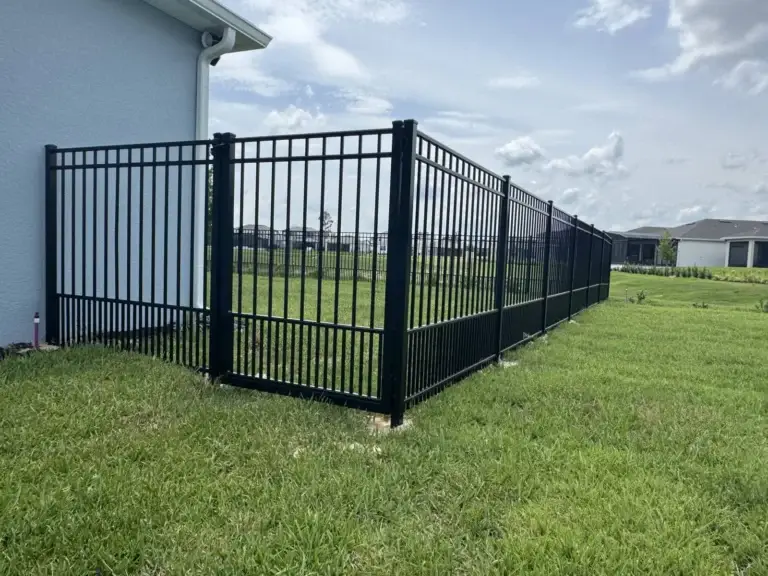
- Ornamental aluminum: keeps the open view and looks finished, and spear-top styles discourage climbing. It costs about $30 to $40 per foot. See aluminum fences.
- Chain link: the most fence for the money, with full visibility, as long as you don’t need privacy.
Weighing the whole picture? Our chain link fence pros and cons covers cost, upkeep and looks.
Securing a business instead?
Commercial sites have different needs: taller fences, controlled gates and heavier materials. See our commercial and industrial fencing pages.
How to decide
If you want to see across your yard and keep a clear, sturdy boundary for the least money, chain link is a solid choice. If you want to hide what’s in the yard, go solid. See styles, colors and gates on our chain link fence installation page.